‘Lee’s Writing Factory’ (2017)

See the source image

My office was worse than this. I didn’t have a window.

Once upon a time, there was nothing like a few years as a newspaper reporter to prepare you for a career as a writer. Based on what I see of the nooze media every day, that’s no longer true. But it used to be.

Lee’s Writing Factory

I should have added, though, that when I first tried to switch over to fiction-writing, my short stories read like newspaper articles. That was a problem that had to be solved, and it took several years to do it.

Someday I ought to write about the Creative Writing classes I used to teach at adult night school. “At 8:17 p.m. Roger M. Pooh, height 5 feet 11 inches, weight 178 pounds, brown hair, brown eyes, stood on the corner of Main St. and Pilchard Avenue…” Was this a short story or a police report?

Writing Tips: Getting Started

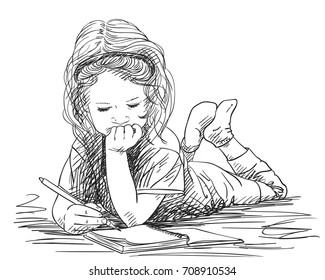
Little Girl Writing Images, Stock Photos & Vectors | Shutterstock

Faith, 12, has asked me for writing tips, so here we go. The nooze can wait.

I was writing stories when I was 12. I was even writing “books,” longhand in one of those black-and-white composition notebooks. I was, of course, fully convinced that these efforts of mine were good enough to be published; but in the meantime, I read them to my friends.

Which is a way of getting started as a writer!

No one wants to hear this–I certainly didn’t–but it takes a certain amount of life experience to write about life. Maybe that’s why children experimenting with story-telling are so apt to venture into science fiction or fantasy: instead of knowing things, they’re free to make things up.

Ah! But your time isn’t wasted. I started telling stories when I was in third grade, nine years old. I had two friends who liked inventing stories, and we would sit together in their cellar and entertain each other with the stories we made up–mostly about monsters.

Writing itself can be tricky. Getting your point across the way you want it, saying what you really mean to say, so that someone else will understand it–these take years of practice. There’s no substitute for practice. In fact, let me emphasize it: THERE IS NO SUBSTITUTE FOR PRACTICE.

I couldn’t do at 15 or 16 the things I can do as a writer now. I couldn’t do at 12 what I could do at 16.

So don’t be discouraged if you can’t get stuff published when you’re 12 (although when I was 12, there was no such thing as self-publishing). The time is not being lost; it’s being invested. What you need to be doing is telling stories–whatever kind of stories you enjoy telling. Tell them to your friends. If your friends like your stories and want to hear more, you are very much on the right track.

And keep at it. Just keep at it. I didn’t get anything published professionally until I was almost 40 years old. You’re bound to do better than that.

To Be a Writer–Read!


At last we have some young people joining this blog, and that makes me happy–because there’s plenty of work for everyone in regaining cultural ground for Christ’s Kingdom, and none of us is going to live long enough to do it all. As is the nature of things, we’ll have to pass a lot of this work on to another generation.

Some of you, I’m sure, will want to be writers someday, if not now. I know what that feels like: I started writing science fiction novels before I started high school. I sold my first book in 1986. I was a casualty of the implosion of the horror market, no one wanted to publish my books anymore, but I kept at it. Had to! A lot of changes–for the better–swept over me, and twenty years later I published Bell Mountain, copyright 2010. Now it’s 2018, and I’m currently writing the 12th book in the series.

So my first tip to any teen or tween who wants to be a writer is, keep at it. The goal of publication is fantastically hard to attain. You wouldn’t believe how many books I wrote that never got published, and never will be. There is no substitute for perseverance.

And my second tip is just as simple: read. Read as much as you possibly can, especially the kind of books you want to write someday.

We learn by watching others do what we want to do. By example, and by imitation. How would you ever learn to walk, if you never saw anybody walking? How would you learn to talk, if you never heard anybody talking? Reading is just as important to anyone who wants to be a writer. Read, read, and read some more, and never, never stop.

We all have dreams of hitting it big while we’re still young. Like Stephen Crane, or F. Scott Fitzgerald. But most of us simply aren’t ready yet. We haven’t seen enough, heard enough, lived enough. An awful lot of living has to go into your writing. And you, as a writer, are always a work in progress, never finished, always room for improvement, always more to learn. I believe God knew I wasn’t ready, no matter how passionately I wanted to be published: and He knew best. If God ever decided to give us everything we ever prayed for, He wouldn’t be doing us a favor. Sometimes, when we think He’s pounding us, He’s really blessing us: and maybe we’ll last long enough to realize it, long after the fact.

Anyway, I wish to encourage young writers. Don’t stop–the Kingdom has work for you to do.