We see this pattern over and over again.
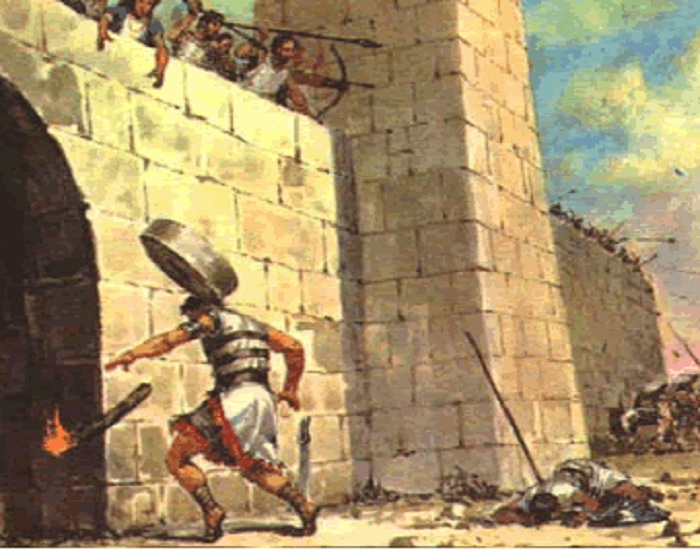
In the Bible, the usurping tyrant Abimelech rides higher and higher–until a woman kills him with a piece of a millstone (Judges 10:18). In one Greek tragedy after another, the doomed protagonist just can’t stop pushing his luck until it finally deserts him altogether and the gods destroy him. And closer to our own time, we have Shakespeare’s tragedies–King Lear, Hamlet, Julius Caesar, take your pick: the hero goes too far, and that’s the end of him.
Question! Why, in so many different cultures, widely spread apart in time and space, do so many writers seem to write the same thing? The Bible calls it pride, the Greeks called it hubris: the pride that destroys its owner.
Why have so many different artists written about it–unless it’s because hubris is a real thing that happens in real life? Furthermore, it seems most civilizations knew that, even if they didn’t have the guidance of the Bible. The Roman general Flamininus wept for the foe he’d just defeated, all that splendor gone down in flames. He was afraid to rejoice in his pride, lest the same fate befall him. So you see, the pagans knew about this, too. God never kept it a secret.
Today we have the Far Left Crazy running wild, rejoicing in the fraud that put their puppet in the White House, licking their lips over the insane mischief they mean to do to this country. It’s their hour on the stage, and they strut and fret for all they’re worth. “We can do anything we want! To anybody!”
May the Lord deal with them as He dealt with Abimelech and all the other usurping tyrants of history, all buried under their hubris in the pit of Hell.