Stupor Bowl Sunday

Glimpse of History: Remembering fallen heroes in Metuchen - nj.com

As we ignore the Stupor Bowl (owners who’d sell their mothers to the Chicoms for a dollar, and players who detest America), here are a few things we can think about instead.

In the drug store yesterday, I saw that the wall was covered with blown-up black-and-white photos of Main Street, Metuchen, my home town. The photos of the various stores and other businesses were very familiar. These were the buildings I grew up with. I was in most of them. But they are billed as “Old-Time Metuchen.” What does that make me? (I remember when Hammurabi was our mayor…)

On Park Avenue, heading into South Plainfield, all the older, regular houses have been torn down and replaced by stuff that looks like they took it from Brideshead Revisited.

Here’s one of them: 3889 Park Ave, Edison, NJ 08820 | realtor.com®

Crikey! Who lives in a place like that? Do they have a butler? And this is just one of many houses equally grand. Where did all the ordinary people go?

Reading Waverly, Sir Walter Scott’s first novel, I can’t help noting how differently stories were told 200 years ago. Today, reading a novel is like going to the theater, sitting down, the curtain rises, and you watch the play. Back then, it was more like you sit down in the theater and watch the carpenters build the sets, the decorators paint the sets, actors get hired and rehearsed… and if you’re still alive after all that, they finally get around to performing the play. Readers sure had a lot more patience in 1820 than they have today.

And I’ve just seen Violet Crepuscular rolling a large snowball across the yard next door, so I guess that’s my cue to move on.
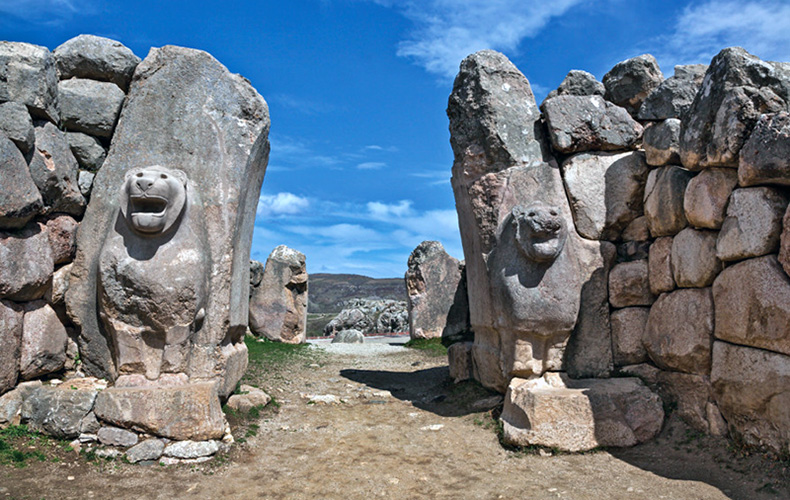


We’ll Never Know Why

See the source image

Once the center of a Great Power

History is full of momentous events, shocking events, that can’t be fully understand because so little of the record has survived. What does survive is mysteries. Here’s one of them.

Sometime around 1595 B.C. the king of the Hittites, Mursili I, marched his army all the way down Mesopotamia from what is now Turkey, all the way to Babylon, then the greatest city in the world. The Hittite ruler sacked the great city, putting an end to the dynasty made famous by Hammurabi, radically disrupting the international political system of the Ancient Near East.

But he didn’t stay long. Babylon was much too far from the Hittite center of power, for any Hittite government to be established there. Mursili looted the place and then marched home. He wasn’t back for very long before he was assassinated.

We don’t know why he attacked Babylon. It was about as far as you could go from Hittite lands and still find any cities at all. There were no roads. Bringing an army all the way down there must have been a colossal undertaking.

In Babylon they must have known the Hittites were coming; but a) their own country was undergoing civil strife, and not in a good position to defend itself; and b) “The Hittites? Did you say Hittites? Don’t they live somewhere way the hell up there in the mountains? What do you mean, ‘The Hittites are coming’?” It would have been very hard news to believe.

History is the collective memory of mankind. With it we can hope to understand our own time. We can at least try. Livy and King Solomon would agree: what has been done before is what is being done now; there is no new thing under the sun.

Inquire of the Lord for wisdom, and for understanding.

Those were in short supply, in Babylon.