It Was the Day of the Platypus

20+ Baby Platypus images | baby platypus, platypus, duck billed platypus

What hath God wrought!

Mr. Nature here, with possibly the oddest creature on the planet–Australia’s famous duck-billed platypus. In fact, the animal is so odd that when the first specimens arrived in England, scientists thought it was a hoax.

The platypus is a mammal, or so they say. But it has some weird un-mammalian features.

It lays eggs.

Its legs are positioned out to the side, as in reptiles, instead of directly underneath the body, as in most mammals.

The babies hatch out of the eggs with teeth, but lose them later on.

The male has poisonous heel spurs that can inflict intense pain on a human being. Very few mammals are equipped with venom: only the solenodon springs to mind. But lots of snakes, and some lizards, are poisonous.

But the platypus does have hair, and plenty of it, the mother nurses the babies on milk, and as far as the science of taxonomy is concerned, platypuses are mammals in good standing–not some weird little group of their own that displays both mammalian and reptilian features. That went out with the Triassic Period.

And we can admire the Creator’s creativity!

About Those Squished-in Phone Displays

A couple of you have found that when you try to read my home page, or comments, on your phone (don’t expect me to remember what kind of phone: all we have here is a wall phone), the display is all squished off to one side and very hard to read.

I’ve sent a screen shot of the problem to Jill and she says she can fix it sometime during the next few days. Please be patient: she’s fixed a lot of things here, so far.

And now, per a request by Phoebe [trumpet fanfare]…

THE SPOTTED QUOLL

Quolls - Bush Heritage Australia

This cat-sized animal lives along the east coast of Australia in rainy, wooded habitats. Also known as the tiger cat or tiger quoll, it’s a predator that eats pretty much anything it can catch. Oddly enough, it has the second most powerful bite among all carnivorous mammals.

This marsupial is related to the Tasmanian Devil. Quolls are not as numerous as they used to be, and some conservation measures are in order. To me they somewhat resemble Thylacoleo, the extinct “marsupial lion,” which had some of the deadliest biting equipment known from the fossil record. Cryptozoologists think there might be a very few of those left, somewhere. But no one else does.

Mr. Nature: The Spiny Anteater

Echidna | San Diego Zoo Kids

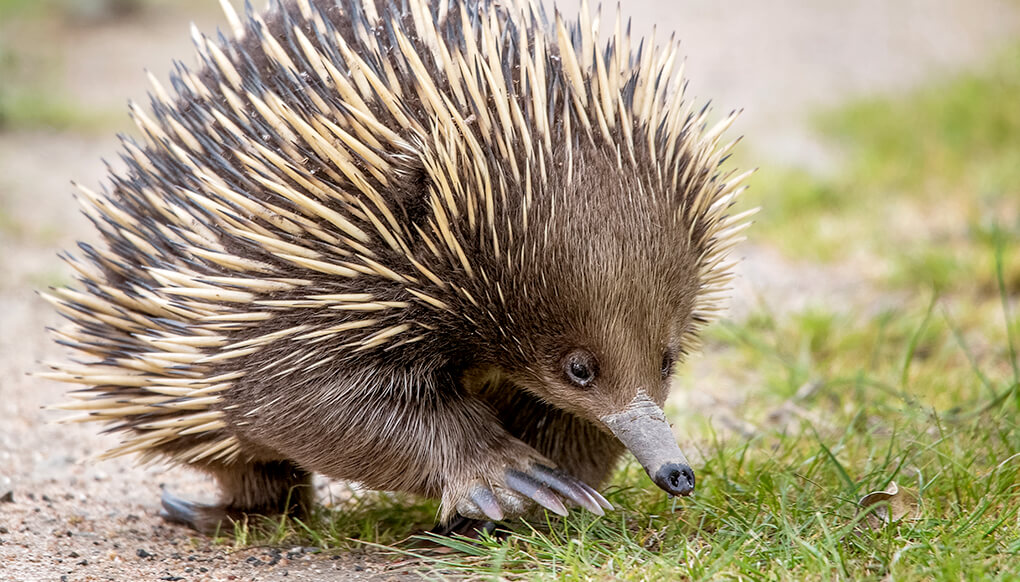
Jambo! Mr. Nature here, and our safari today takes us to Australia and New Guinea in search of the spiny anteater, aka “echidna,” named for a creature in Greek mythology that was half-snake, half-woman.

These are really weird animals. For one thing, they and the duck-billed platypus are the only mammals that lay eggs. For another, they have the second-lowest body temperature among mammals, behind the platypus. And they’ve got a cloaca instead of separate reproductive and excretory organs. It’s sort of odd that they’re considered mammals at all. But they do have hair, and the babies, once hatched, are fed on milk from the mother’s body. Besides which, what else are we to call them?

As you might expect, they eat ants and termites; and aboriginal people sometimes eat them. No accounting for tastes. They look a lot like hedgehogs but aren’t related to them. They don’t look like platypuses, but those are their closest relatives.

God’s stuff–brought to you by a truly versatile Creator.

Mr. Nature: The Lyrebird Imitates Just About Everything

The lyrebird of Australia imitates all the other birds in the forest, and then some. You name it, the lyrebird does it. And if we didn’t have the video to go with it, you’d never be able to tell the lyrebird from the real thing. I wonder how many lyrebirds got parts as kookaburras in movie soundtracks.

Hi, I’m Mr. Nature… and this is God’s stuff. I’ll bet He had fun creating this one!