Monstrous Lizards Invade Florida (We’re Doomed!)

This is a Black & White Argentine Tegu Lizard named Rambo ...

Who’s afraid of the big, bad tegu lizard?

South American black-and-white tegu lizards–adults can grow to five feet long–have “invaded” Florida and other southern states, and their population is, supposedly, burgeoning.

https://www.breitbart.com/local/2025/03/31/officials-invasive-south-american-lizard-expanding-florida/

Ooh! Time to rev up the hysteria!

Tegus do like to eat eggs. They are allegedly eating alligator eggs. But as far as being “a threat” to humans–oh, come now.

They wound up in Florida in the first place because people were acquiring them as pets and then releasing them into the wild because they got too big. Seems a bit hard on the lizard, doesn’t it? Supposedly they have adapted to their new habitat. I say three cheers for the lizards.

They’d better not get too fond of raiding alligator nests. The gators will soon get hip to what they’re doing.

It’s Giant Beetle Time!

These critters are alive when they get here; and authorities fear they might get loose.

Oh, holy moly…

Thirty-seven “giant beetles”–and we do mean “giant”–were smuggled into Los Angeles Airport recently… hidden in bags of Japanese snacks (https://www.breitbart.com/local/2025/02/06/video-37-live-giant-beetles-found-hidden-japanese-snack-packs-lax/).

If the photo in the link comes out, you’ll see how big these bugs are–NOT those little tiny Japanese beetles that used to gang up on your rose hedge. One of these is about as big as a softball. (Not the one in the picture above,)

America is full of invasive species: Burmese pythons, walking catfish, Japanese beetles (the little ones), great big wasps with yellow heads… It’s part of the price we pay for a global economy, it goes with the territory.

We are told the giant beetles go mostly to collectors.

It always starts out that way, doesn’t it?

Here Come the Snakes, Here Come the Snakes

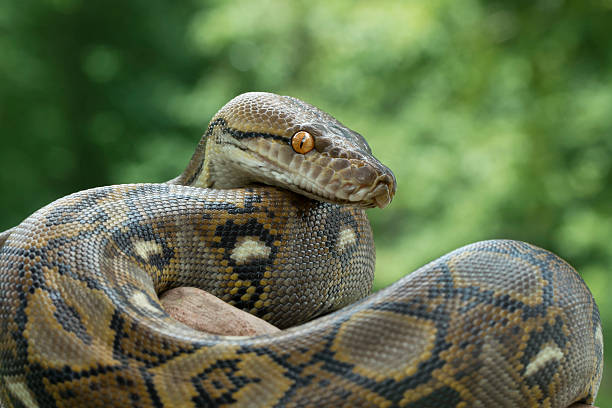
810+ Reticulated Python Stock Photos, Pictures & Royalty ...

“But he was little and cute when I bought him!”

Covering the usual political nooze was oppressing my spirit this afternoon, I didn’t know what to write… and then my sister, Alice, called and suggested (pause) this.

Puerto Rico is being overrun with great big snakes that don’t belong there (https://www.vox.com/24144224/invasive-species-snakes-puerto-rico): notably the reticulated python (can grow to 30 feet long, biggest snake in the world), boa constrictor, and ball python.

The reticulated python has been known to swallow human beings. It doesn’t happen often, but people get a little edgy about it.

The big problem is the non-native snakes gobbling up native birds–and people’s cats and dogs–to the point where some of these birds might go extinct. No one has done anything about it.

Thirty-foot-long reticulated python, having pulled the family dog out of the dog-house, still hungry, finds the house’s back door left open and slithers eagerly into the kitchen…

Maybe they’d better make it their business to do something about it.

Yeesh, what a world!

‘Hippos and Trannies’ (My Newswithviews Column, Nov. 9)

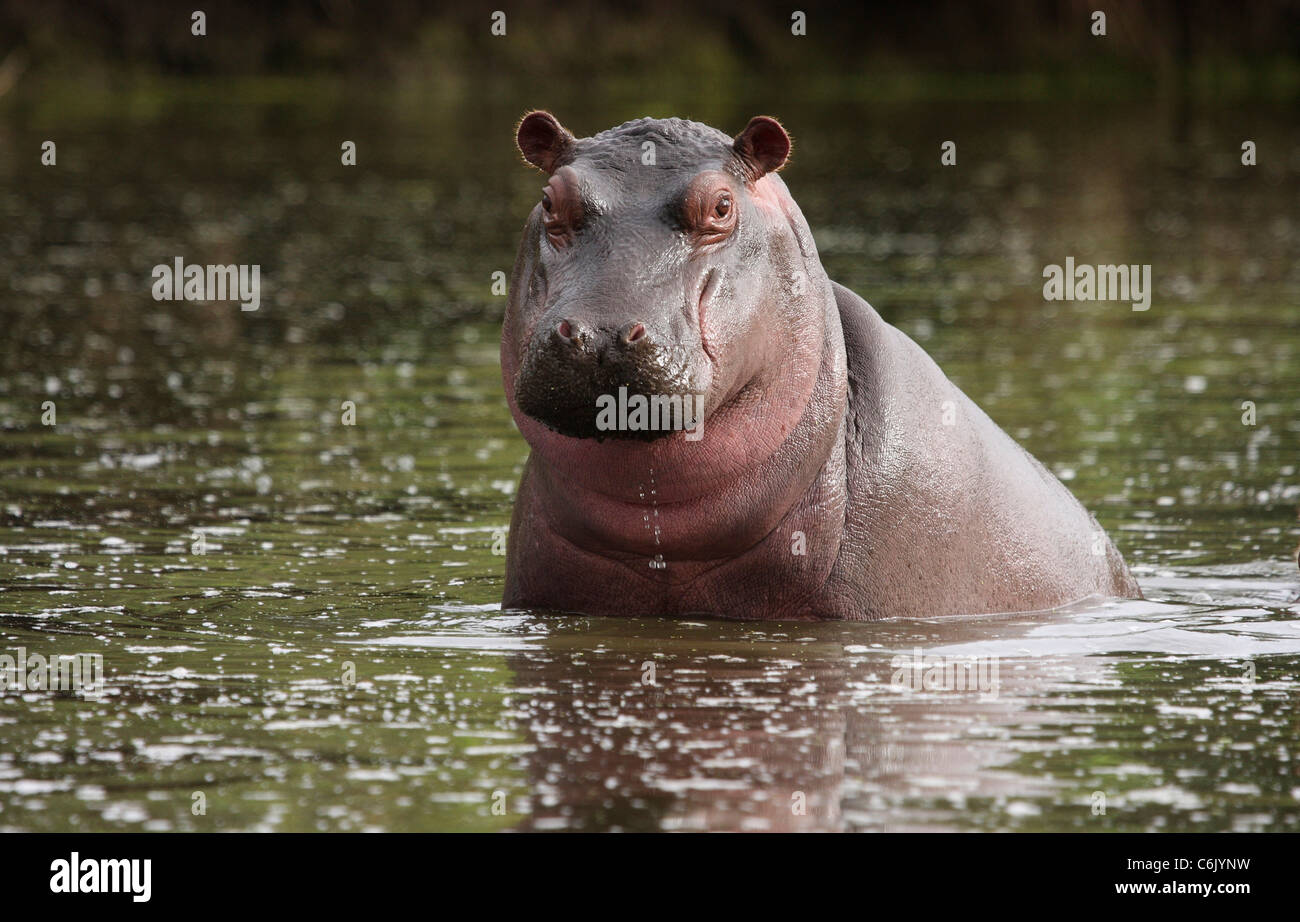
Hippo in water hi-res stock photography and images - Alamy

Coming soon! To a wetland near you!

They say they’re fighting for women’s rights, but it sure doesn’t look that way. I think the “transgender” movement is all about erasing women.

And men, too.

So we wind up with ridiculosities like this: “judo matches” featuring men calling themselves women, vs. real women.

Hippos and Trannies

Yeah, it was foolishly done to bring hippos to Venezuela and letting them breed in the wild. But at least hippos are a real species, albeit an invasive one. “Trans women” are equally invasive but not real at all.

Had enough yet, America?

Weird! Colombia Has a… Hippo Problem

Here are some hippo/human interactions from Africa. Don’t run slowly!

Usually “invasive species” are insect pests, reptiles, or fish. But Colombia has a problem with invasive… hippos (https://www.newsweek.com/colombia-goes-war-pablo-escobar-hippos-1840818)!

A wealthy drug lord–who was shot to death by police in 1993–brought in four hippos from Africa to grace his estate. The hippos escaped and wound up in the wild; and today there are 160 of them.

The government would sterilize them, but that costs $10,000 a pop and the hippos don’t like it. Dealing with an angry hippo can be more than slightly dangerous.

Or they’ll ship ’em out to other countries–provided any other countries want them.

Meanwhile, the hippos are happily having babies and expanding their range. So far there haven’t been any perilous brushes with human beings. But that could change. In Africa, hippos kill more people a year than lions or crocodiles do.

We’re going to wind up with some very strange ecosystems if we don’t watch out.

Invaders from China

Spotted Lanternfly Management for Residents | University of Maryland  Extension

We’ve been seeing these strange bugs in the neighborhood. It took me a while to find out what they are, but now I know–it’s the spotted lanternfly, an invasive species from China and Southeast Asia. That’s why I didn’t recognize them: they’re new here, having first appeared in Pennsylvania in 2014.

They’re rated a major pest of trees and crops, they crossed the Delaware into New Jersey just a couple of years ago, and now they’re all over the place and government conservation authorities are looking for a way to get rid of them.

Their outer wings, as you can see, are dull and spotted; but when they take off, you see their scarlet underwings and the bright red “tail-light” on the tip of the abdomen. We can testify that they like to land on people. Because it’s a large and completely unfamiliar insect, this can be alarming. But they’re only harmful to plants.

We have enough insect pests of our own, thank you, without importing more. We now have undersized Japanese mosquitoes that give you oversized bites that itch like hell.

Globalism ain’t all that it’s cracked up to be.

Name That Bug

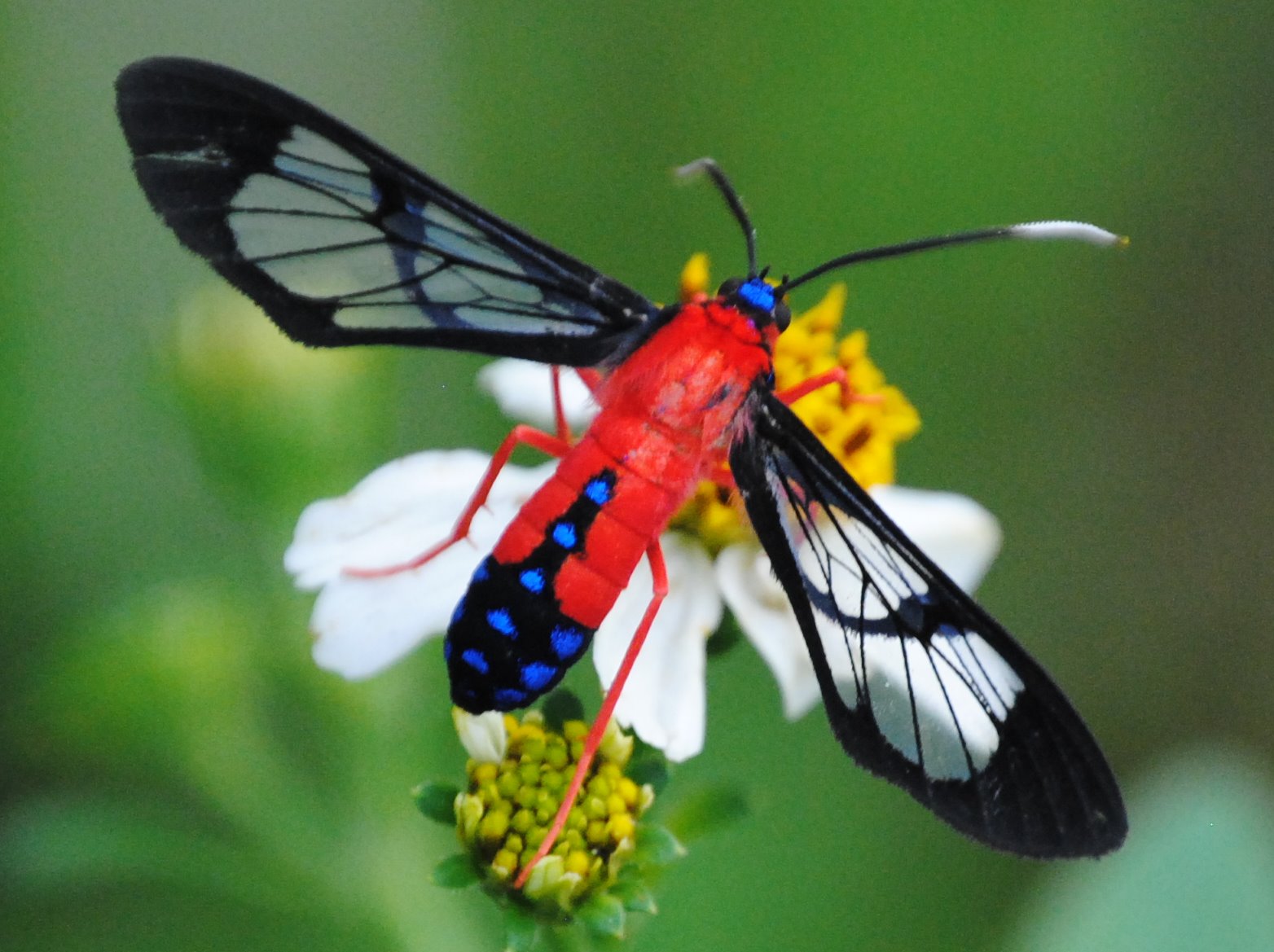
Georgia Moth Series – Scarlet-Bodied Wasp Moth - Proactive Pest Control

This morning an insect whose like neither of us had ever seen before landed on Patty’s bare arm and freaked her out. She swatted it and it fell, then crawled into the leaf litter and disappeared.

As near as we can make it, it was some kind of “wasp moth,” normally only found far south of here. Patty said it felt “heavy-footed” when it landed on her. She was also afraid it might have bitten or stung her, although no moth has the equipment to bite or sting. Maybe she scratched herself, swatting it away.

Wasp moths imitate wasps, which discourages predators. Their caterpillars eat oleander leaves, which makes their flesh poisonous.

I’m not 100% sure we’ve identified this bug correctly, and if it was indeed a wasp moth, what business could it have in New Jersey? They normally live far south of here. We really should have captured it, but Patty was sorry she’d injured it and we didn’t think of collecting it until it was gone.

Just what we need–new bugs. Supposedly these guys are harmless. I’ll keep my eye out for its colleagues.

Invasion of Giant Hungry Lizards?

Image result for images of tegu lizards

This one is tame–I think.

Those scary stories about alligators living in our city sewers turned out to be an urban legend. But here’s something almost as bad that’s definitely not a legend.

Wild colonies of South American tegu lizards have established themselves in Florida and are doing well enough to threaten to “march across the South” as far as the Carolinas and Texas, wildlife experts say (https://www.reuters.com/article/us-usa-lizards/invasion-of-big-voracious-lizards-threatens-u-s-south-study-idUSKBN1KO1AF).

How did that happen? People acquire the tegus as pets, get tired of them, and let them go.

Tegus are heavy, muscular lizards with big heads and strong jaws, and they can grow to be four feet long. In Florida they’re eating alligator and bird eggs, any small animals they can catch, and fruit. As tegu owners already know, tegus are not picky eaters. They’ll scarf down practically anything; and getting bitten by a large tegu would feet like getting your hand caught in a car door. Trust me, I know. My savannah monitor (you could easily mistake it for a tegu) nailed me once, and you should’ve heard me howl. And that was just a warning bite, as in “No more medicine, you putz!” If she’d meant business, it would’ve gone hard with me.

There’s nothing wrong, I’d say, with having a tegu for a pet; but it’s very wrong to release one into the wild. Can’t we be decent to our animals? Acquiring a pet of any kind ought to be a loving commitment for as long as the animal lives.

I had to part with my monitor. I had to medicate her, the treatment was successful, but she hated it and it left her with a deep grudge against me. Eventually I found a man, affiliated with the Staten Island Zoo, who had remodeled his home to house his collection of really cool reptiles, and he was happy to adopt Spot. If a monitor lizard could purr, she would have purred when I handed her over to her new owner. Made me feel about two inches tall, but I’m sure I did the right thing.

If you’re not going to keep and love your pet, you shouldn’t have it in the first place.

Meanwhile, the tegus are coming, the tegus are coming…